
Altered Beast
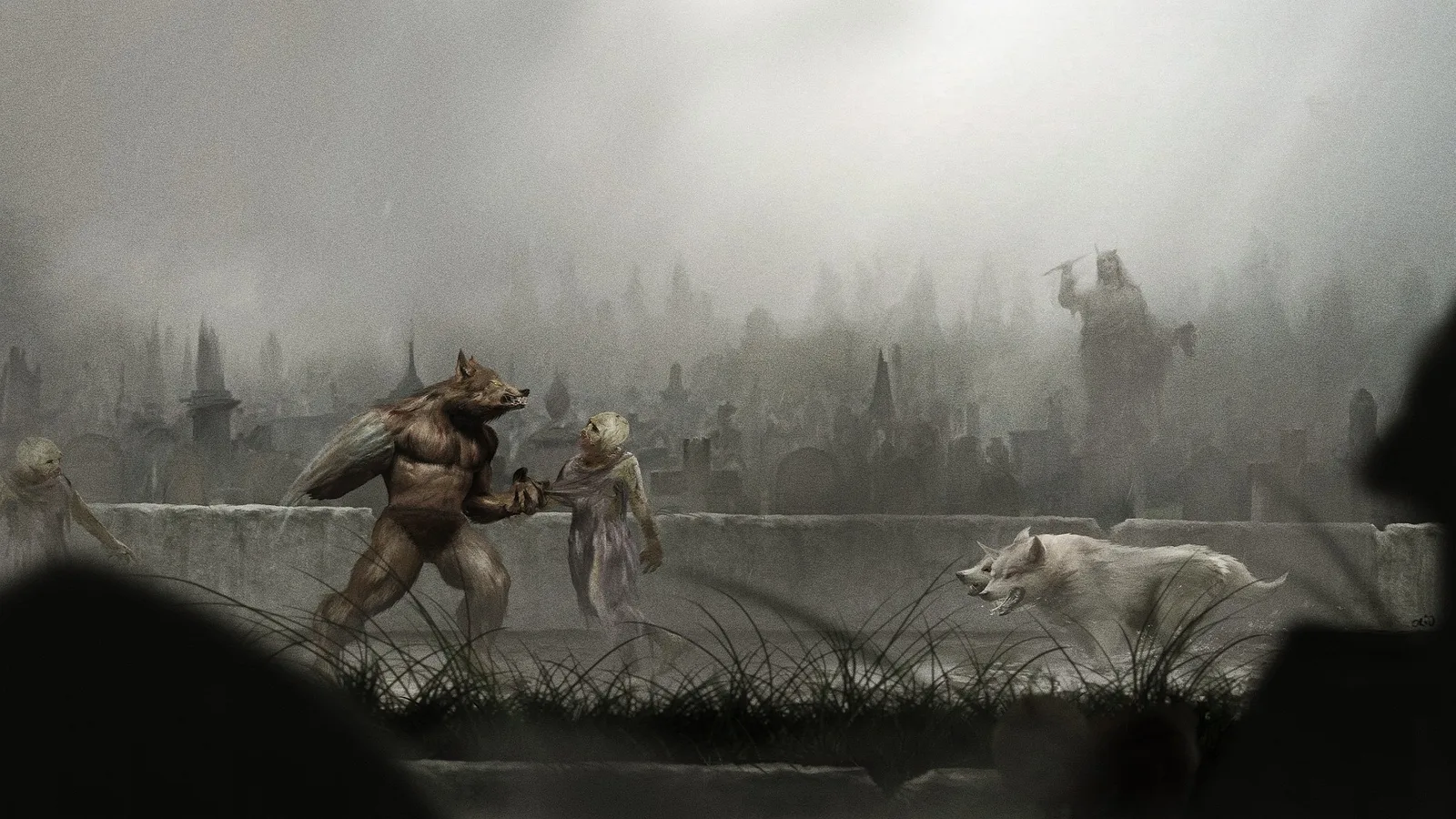
Raised by Zeus to save Athena, a Roman centurion becomes a werewolf, a dragon or a tiger. The Sega arcade game that launched the Mega Drive in the West.
 Certified scoring
Altered Beast
- Developer
- Team Shinobi
- Publisher
- Sega
- Release
- 1988
- System
- Arcade
- Players
- 1-2
- Genre
- Beat 'em up
The story of the game
The why and the how
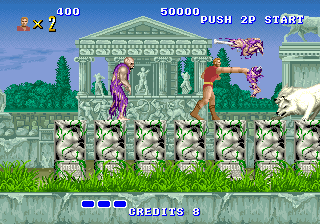
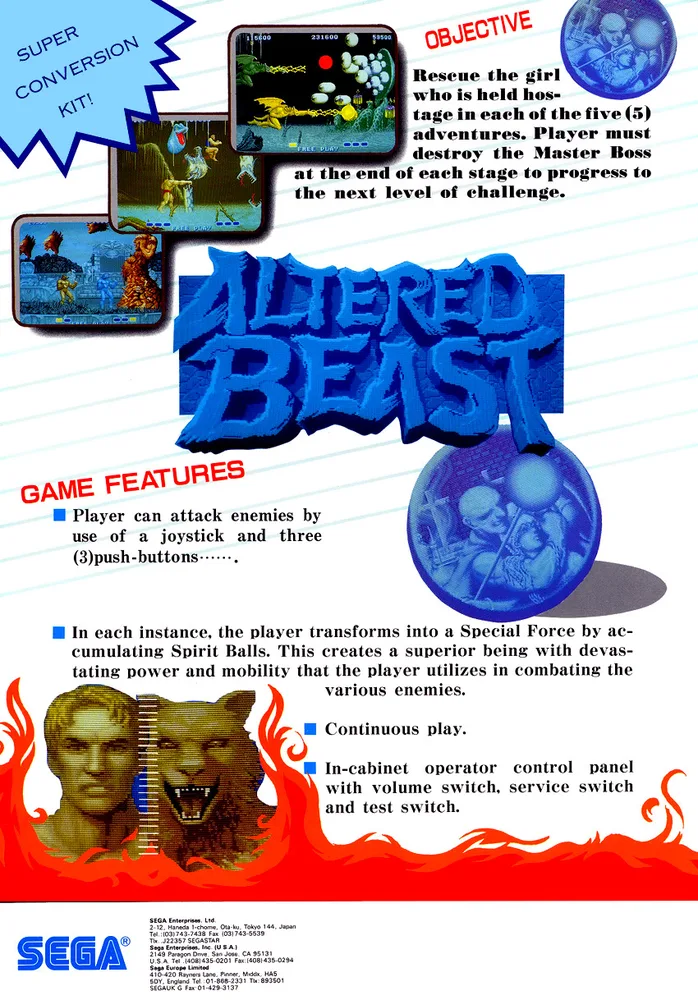
Altered Beast is a beat 'em up by Team Shinobi, published by Sega in arcades in 1988. The action takes place in Ancient Greece. Neff, ruler of the underworld, has captured the goddess Athena, and her father Zeus, who respects the bravery of Roman centurions, resurrects one of them and empowers him. The game has five levels, which can be played by two players. Neff waits at the end of each one. Between levels, small animations show the danger Athena is in.
How it was made
Makoto Uchida directed the project, his first role as project lead. He drew on The Howling, the music video for Michael Jackson's Thriller and films by Ray Harryhausen, and chose Greece for the powerful characters he had in mind. His team used the System 16 board to add detail to large sprites, with limbs flying off during combat. He asked his lead artist to work for a month only on the transformations. A planned pressure-sensitive button was dropped when no deal could be reached, and half of the planned actions were cut.
What makes it unique
The player punches, kicks and jumps. Each white two-headed wolf defeated leaves a Spirit Ball, which increases the hero's strength and size. Three balls turn him into a beast: weredragon, werebear, weretiger, werewolf or golden werewolf. The dragon throws lightning, the bear petrifies enemies with its breath, the tiger hurls fireballs in a zigzag pattern and the wolf has a powerful thrust attack. In the arcade ending credits, we learn that the whole game was a staged film production.
Its influence
More popular overseas than in Japan, Altered Beast was chosen as the pack-in game for the Sega Genesis and Mega Drive in North America (1989) and Europe (1990). Makoto Uchida never saw his game bundled with the console in Japan: when he went to the United States three years later, the consoles came with Sonic the Hedgehog, which had replaced it. The game saw many ports and re-releases, one sequel and one reboot, and generally positive reviews praising its gameplay and graphics.
Text written from published sources (Wikipedia, Wikidata, specialist press).
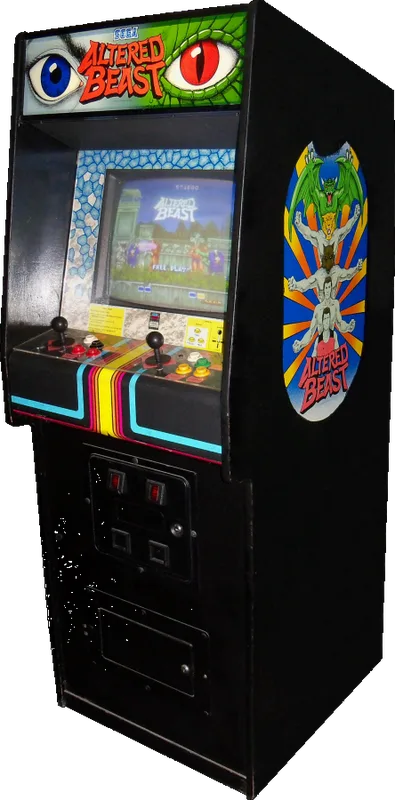
The hardware
Texts and media: ScreenScraper.fr. Trademarks and visuals belong to their owners.