
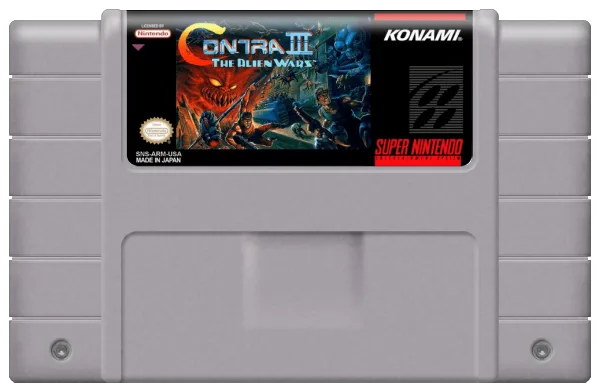
Contra III: The Alien Wars
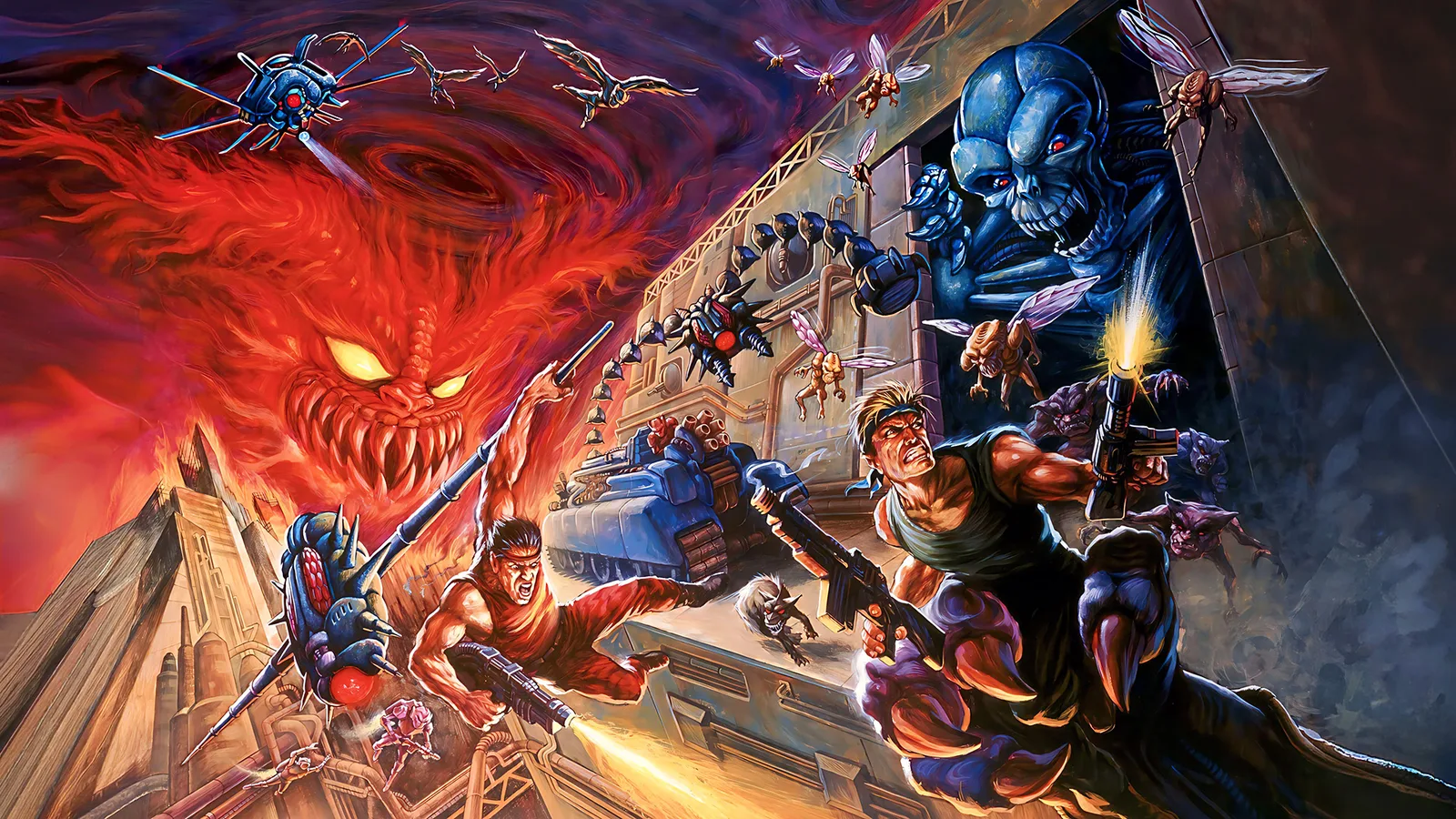
The Contra of the Super Nintendo: an alien invasion to repel, top-down levels in Mode 7 and a pace where something is always happening. One of the console's great classics, best played with two.
 Get the game
Contra III: The Alien Wars
- Developer
- Konami
- Publisher
- Konami
- Release
- 1992
- System
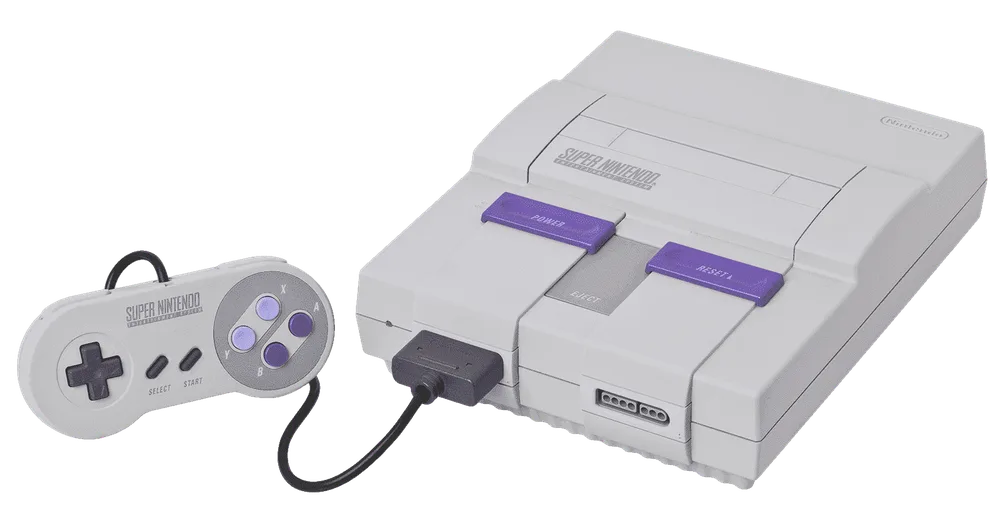
- Super Nintendo
- Players
- 1-2
- Genre
- Run and gun
The story of the game
The why and the how
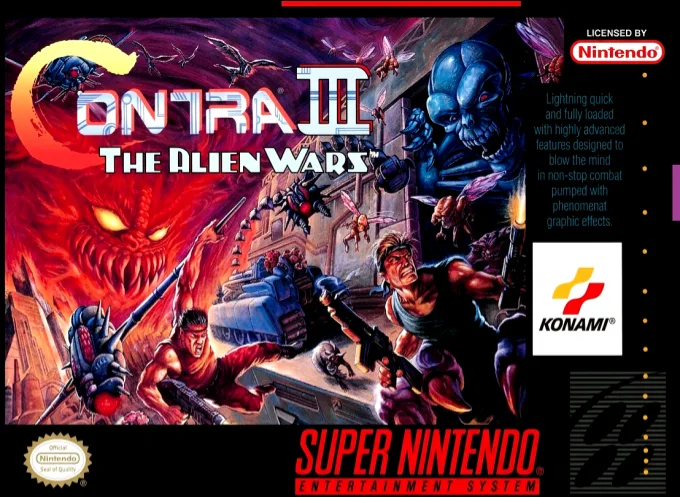
Contra III: The Alien Wars was developed and published by Konami for the Super Nintendo. It came out in Japan on 28 February 1992, in North America on 26 March, then in Europe on 12 September under the title Super Probotector: Alien Rebels, with robots in place of commandos. It is the third Contra on a home console after Contra and Super C on the NES. During its preparation it was first called Contra IV, before Nintendo Power reported the change of name.
How it was made
The team was led by Nobuya Nakazato, for whom this was the first Contra, after a few informal tests on Super C. Settled in Konami's new offices in Tokyo, next to the Contra arcade team, it showed its progress to its neighbors and got good feedback. Nakazato wanted the spirit of a low-budget movie, music that evolves over the levels, a few comic touches, and he set the rule of one memorable moment every three screens of scrolling. The episode with the missiles you cling to required background tricks to spare the sprites.
What makes it unique
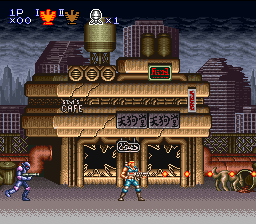
The game is played alone or in two-player co-op, as Bill Rizer and Lance Bean, against an alien invasion across six levels. Four scroll sideways, as in the series, and two are seen from above thanks to Mode 7, each with its own controls. You carry two interchangeable weapons, upgraded by power-ups dropped from flying capsules: homing missiles, flamethrower, laser, spread shot. Bombs and an aerial spin that fires both weapons complete the arsenal.
Good to know
What counts here are weapons and lives. You carry two machine guns that you swap at will, each upgraded by capsules dropped from flying pods: homing missiles, flamethrower, laser, spread shot. Picking up a weapon replaces the one you hold, and losing a life loses that weapon's upgrade. Bombs are limited but hit the whole screen, and a temporary shield may also drop. The aerial spin fires both weapons, but exposes both to the risk of being lost. The Japanese version offers unlimited continues, which makes it easier.
Its influence
Critical reception was very favorable, notably for its visual effects well integrated into the action and its soundtrack. It is often cited among the best Contra games and among the great games of all time. It led to a Game Boy version by Factor 5 in 1994, then to Contra Advance: The Alien Wars EX on Game Boy Advance in 2002, which was more criticized. The Super NES version has been re-released several times, notably on the Super NES Classic Edition and in the Contra Anniversary Collection.
Text written from published sources (Wikipedia, Wikidata, specialist press).
The hardware
Texts and media: ScreenScraper.fr. Trademarks and visuals belong to their owners.