
Mega Man
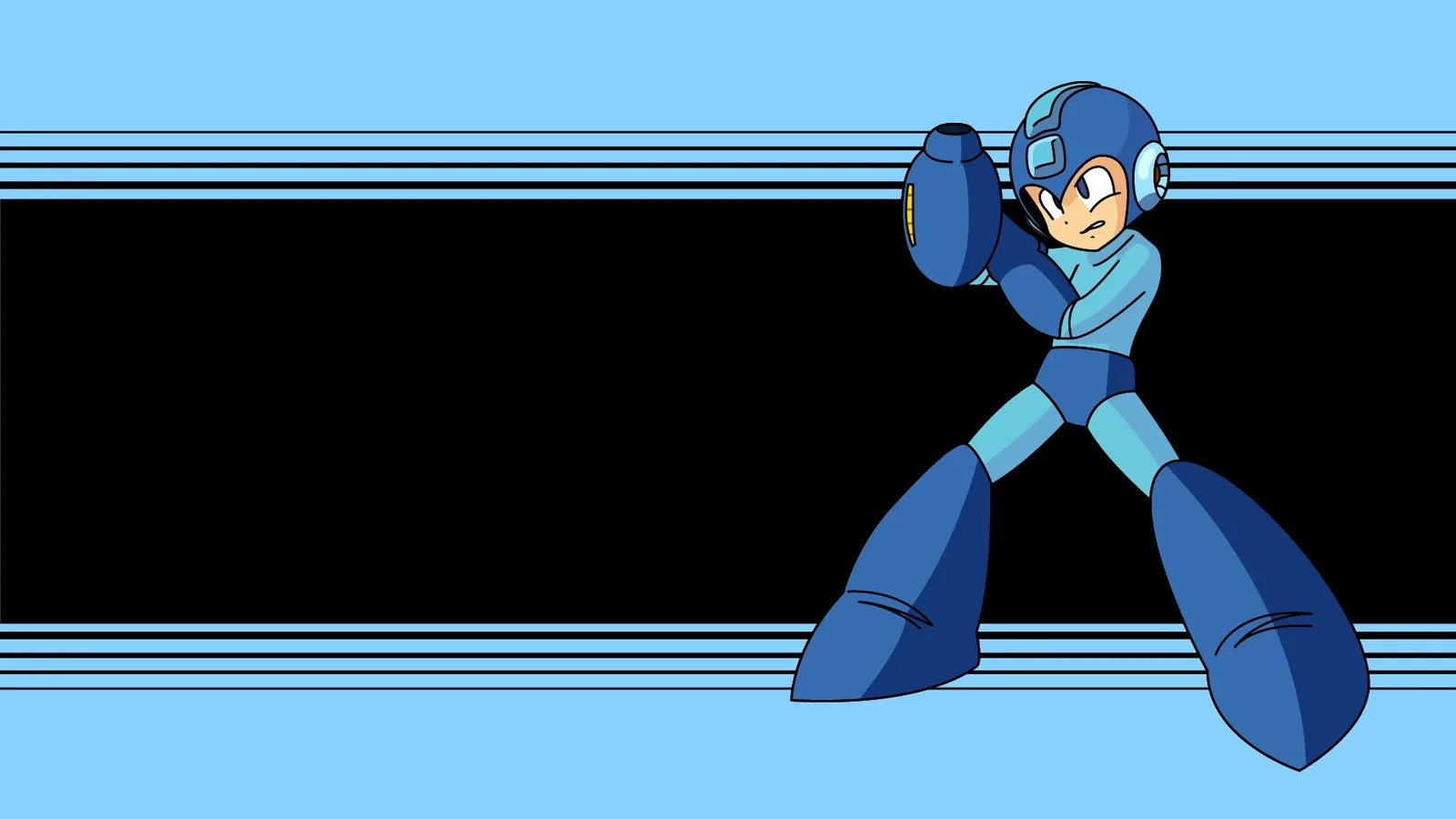
The first Mega Man, from 1987, lays down all the foundations of the series: six robots to defeat in the order of your choice, and their weapons to claim.
 Get the game
Mega Man
- Developer
- Capcom
- Publisher
- Capcom
- Release
- 1987
- System
- NES
- Players
- 1
- Genre
- Platformer
The story of the game
The why and the how
Mega Man, released in 1987 on NES and Famicom, is the first game in the series. Capcom, then focused on arcades, had it made by a small team conceived for the home console market, a first for the publisher. Akira Kitamura directed, with Nobuyuki Matsushima as lead programmer and Takashi Nishiyama as producer.
How it was made
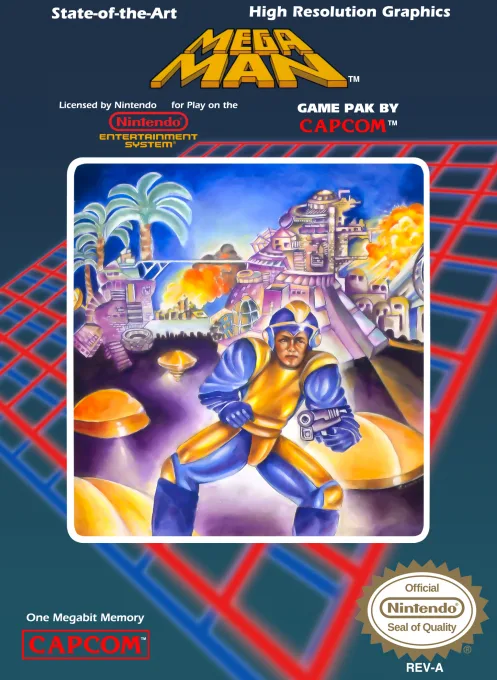
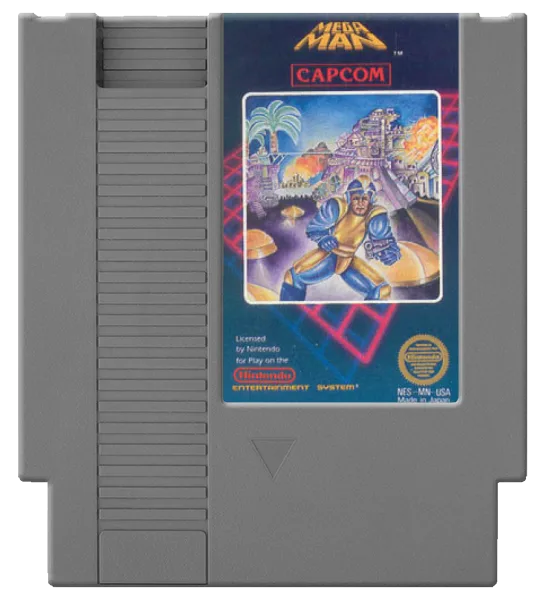
Before Mega Man, Capcom made arcade games, and its console titles were mostly ports. Around the mid-1980s, the publisher decided to develop Mega Man for the Japanese console market, with young talents such as Keiji Inafune, fresh out of university and coming from the Street Fighter team. The design director sought perfection in every detail. The American cover, drawn in about six hours, was blamed for the modest sales in North America.
What makes it unique
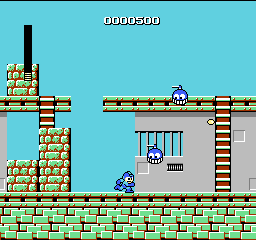
Mega Man takes on six platforming levels freely chosen by the player. Each ends with a fight against a Robot Master, whose signature attack is added to the arsenal. Unlike the Mega Buster, these weapons have limited ammunition, which you refill with cells randomly dropped by enemies. The choice of level order is strategic: you have to win the most useful weapons for what follows.
Good to know
The first Mega Man is the only game in the classic series to count points: you earn them by defeating enemies, picking up the bonuses they leave behind and finishing each level. Each Robot Master is worth a random number of points, between 50,000 and 100,000, while Doctor Wily is always worth 200,000. The designers removed this system in later episodes, judging that it brought nothing real to players. For a ranking, this first episode is therefore the natural hunting ground for high scores.
Its influence
The game set the gameplay, story and graphics conventions of its sequels and spin-offs. It was reissued with improved graphics in Mega Man: The Wily Wars on Mega Drive, then on PlayStation in 1999 in Rockman Complete Works with a "Navi" mode, and in a North American compilation.
Text written from published sources (Wikipedia, Wikidata, specialist press).
The hardware
Texts and media: ScreenScraper.fr. Trademarks and visuals belong to their owners.