
Mega Man 3
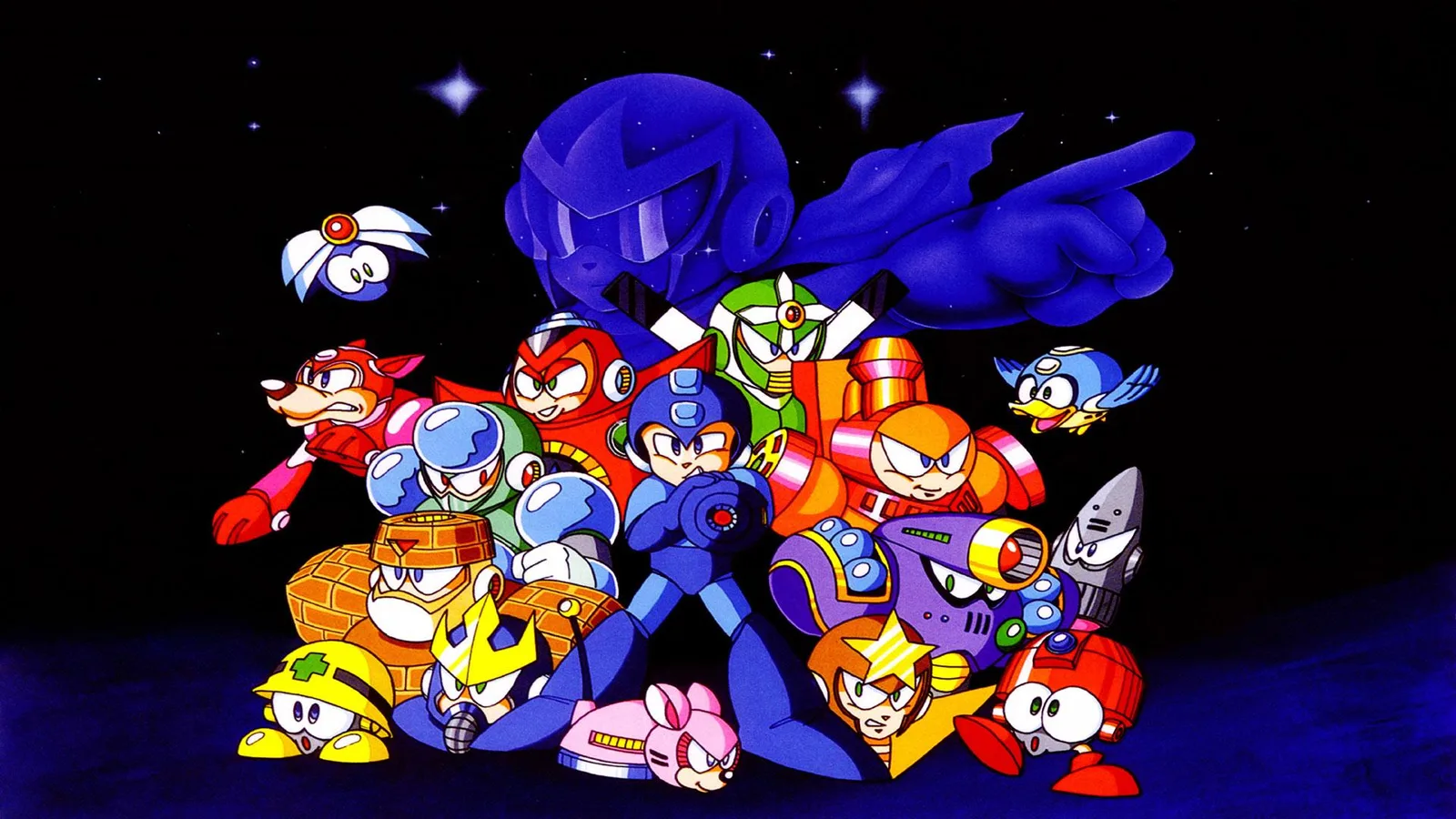
Rush, the robot dog, the slide, and a Dr. Wily playing the ally: an ambitious third episode, made in a rush.
 Get the game
Mega Man 3
- Developer
- Capcom
- Publisher
- Nintendo
- Release
- 1990
- System
- NES
- Players
- 1
- Genre
- Platformer
The story of the game
The why and the how
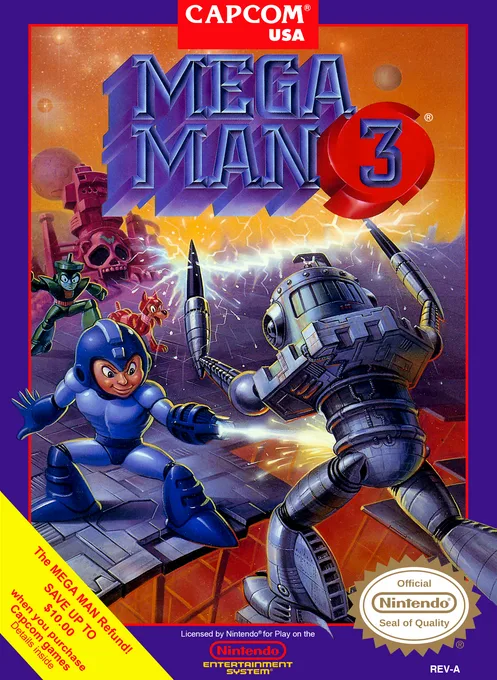
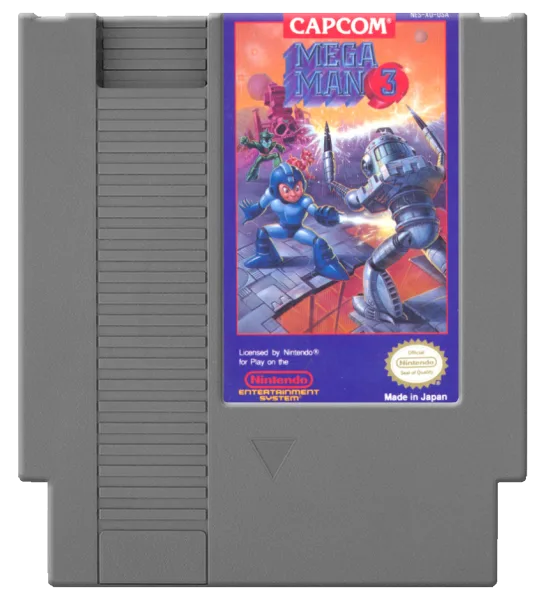
Mega Man 3 came out in Japan on 28 September 1990 on NES, then in North America the same year and in Europe in 1992 from Nintendo. The story takes place after Mega Man 2: the hero helps Dr. Light and a Dr. Wily who is supposed to have repented to collect parts for a peacekeeping robot, by defeating Robot Masters gone mad.
How it was made
Development began more than a year after the release of Mega Man 2. Akira Kitamura, who had supervised the first two, had left Capcom in the meantime. Keiji Inafune, credited as Inafking, considers Mega Man 3 one of his least favorite episodes, because of stress, deadlines and a new superior who did not really understand the series. It was directed by Masayoshi Kurokawa, with music by Harumi Fujita.
What makes it unique
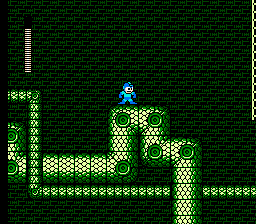
Same formula as the first two: eight levels to play in the order you want, with each boss's weapon as the reward. The game introduces the dog Rush and the ground slide. Bonuses include lives, ammunition and E-Tanks, which restore all your health. The eight bosses begin with Magnet Man.
Good to know
On speedrun.com, three categories exist: Any%, Any% (Buster Only) and Any% (1p2c). Eight levels are to be done in the order you want, with each boss's weapon as the reward. Mega Man 3 introduces the dog Rush and the ground slide, two moves that save seconds. Lives, ammunition and E-Tanks, which can be stored, help you survive during the run. Each bonus is therefore weighed between the time lost looking for it and the time gained afterward.
Its influence
The game was remade on Mega Drive in Mega Man: The Wily Wars in 1994, then released on PlayStation in 1999 in Rockman Complete Works. A Tiger Electronics LCD version exists, and it is the only Mega Man game in Nintendo's PlayChoice-10 library.
Text written from published sources (Wikipedia, Wikidata, specialist press).
The hardware
Texts and media: ScreenScraper.fr. Trademarks and visuals belong to their owners.