
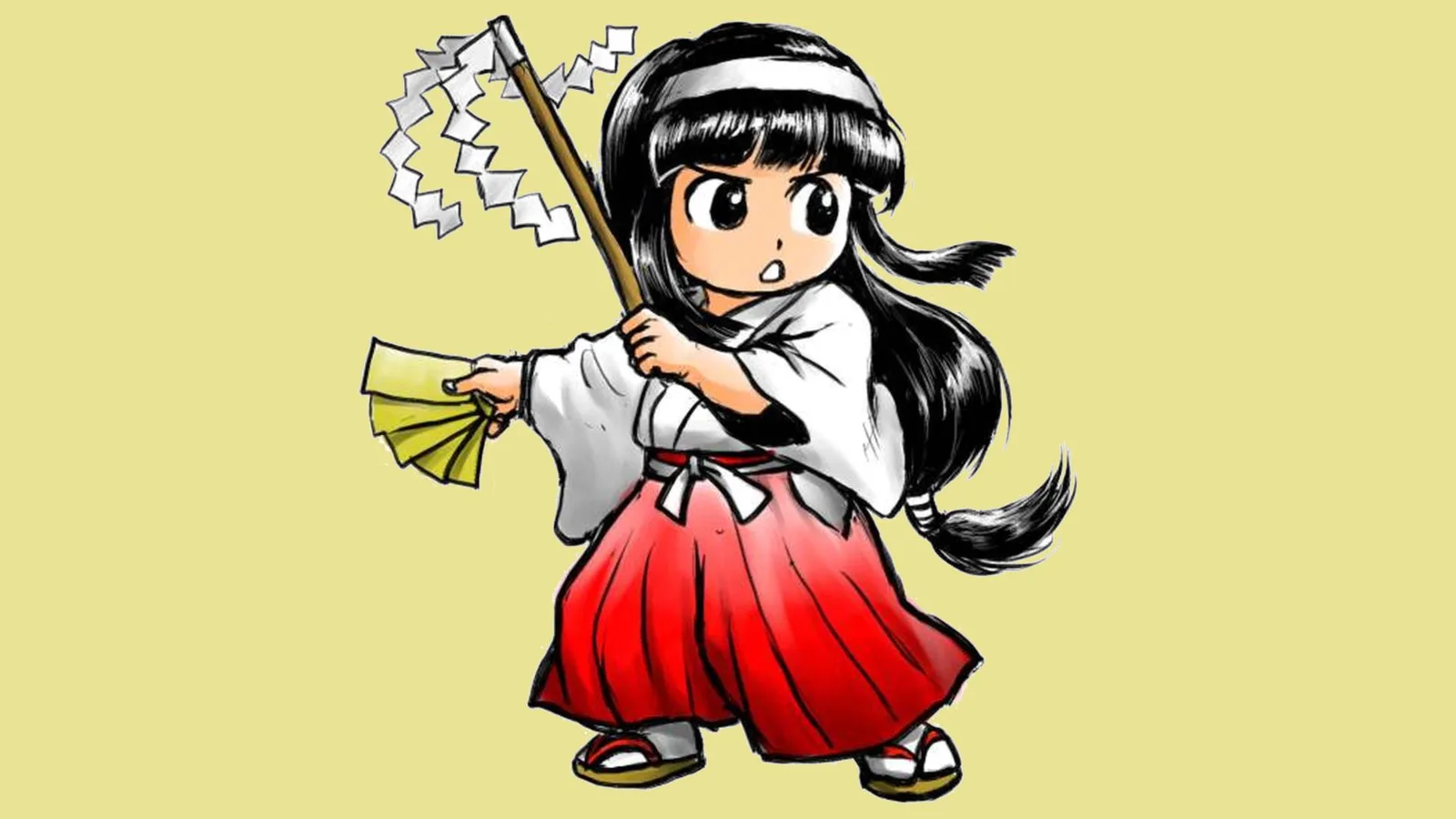

Pocky & Rocky 2
Pocky throws talismans, and her partner can even serve as a projectile. A Natsume sequel that changes the rules of the duo.
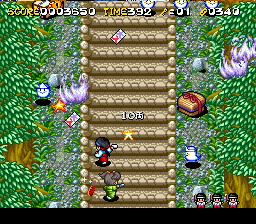
Pocky & Rocky 2
- Developer
- Natsume
- Publisher
- Natsume (Natsume Inc. en Amérique du Nord, Ocean Software en Europe)
- Release
- 1994
- System
- Super Nintendo
- Players
- 1-2
- Genre
- Top-down shoot 'em up
The story of the game
The why and the how
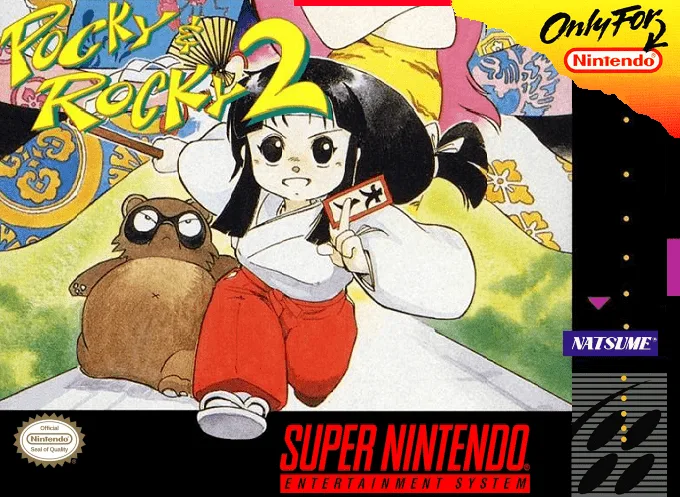
Pocky & Rocky 2, released in Japan as Kiki Kaikai: Tsukiyo Soushi (奇々怪界 月夜草子), is a shoot 'em up video game developed and published by Natsume in Japan, published by Natsume Inc. in North America, and by Ocean Software in PAL regions for the Super NES. It is the sequel to Pocky & Rocky. The game is played in a top-down view, featuring many elements from classic shoot 'em up games but giving the player free eight-directional movement.
What makes it unique
Player one controls the main protagonist, Pocky, who attacks by throwing ofuda talismans, referred to as cards in English versions. Pocky can pick up items to improve her attack power and new clothes to protect herself from damage. Player 2 assumes a supporting role as one of Pocky's friends, each possessing a unique ability. Pocky can use the partner in various ways: with magic, she forces herself into her partner's mind and controls their body for a short time, enabling unique abilities, or she can throw her partner at enemies, doing massive damage but temporarily killing the thrown character.
Its influence
This exploitation of player 2 is a departure from the previous game, in which player 1 and player 2 had similar powers and were equally valuable. According to Famitsu, it sold 4,304 copies during its lifetime in Japan, and it received a 21.6 out of 30 score in a readers' poll by Super Famicom Magazine. Electronic Gaming Monthly's four editors praised the additional characters, the graphics and the gameplay design, but disliked that the other characters act as mere subordinates to Pocky. IGN ranked the game 73rd on its Top 100 SNES Games of All Time.
Text written from published sources (Wikipedia, Wikidata, specialist press).
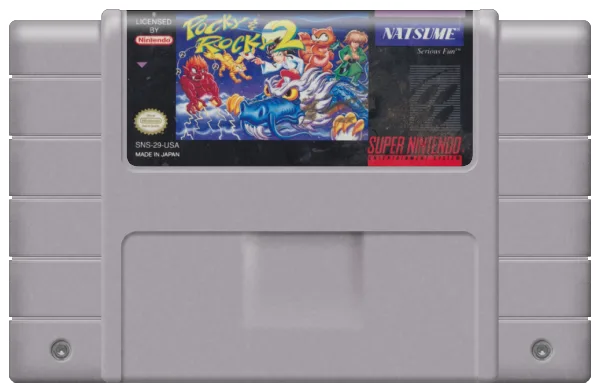
The hardware
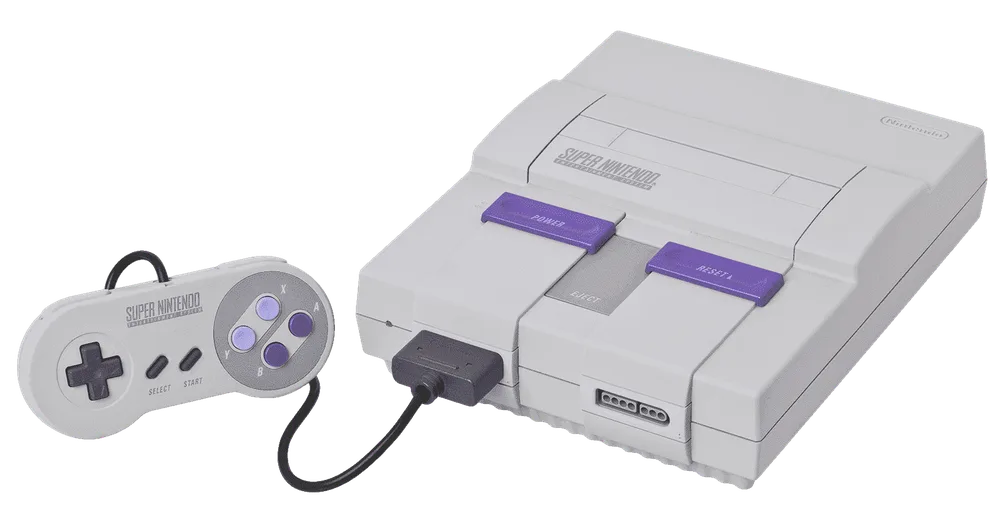
Texts and media: ScreenScraper.fr. Trademarks and visuals belong to their owners.