
Samurai Shodown II
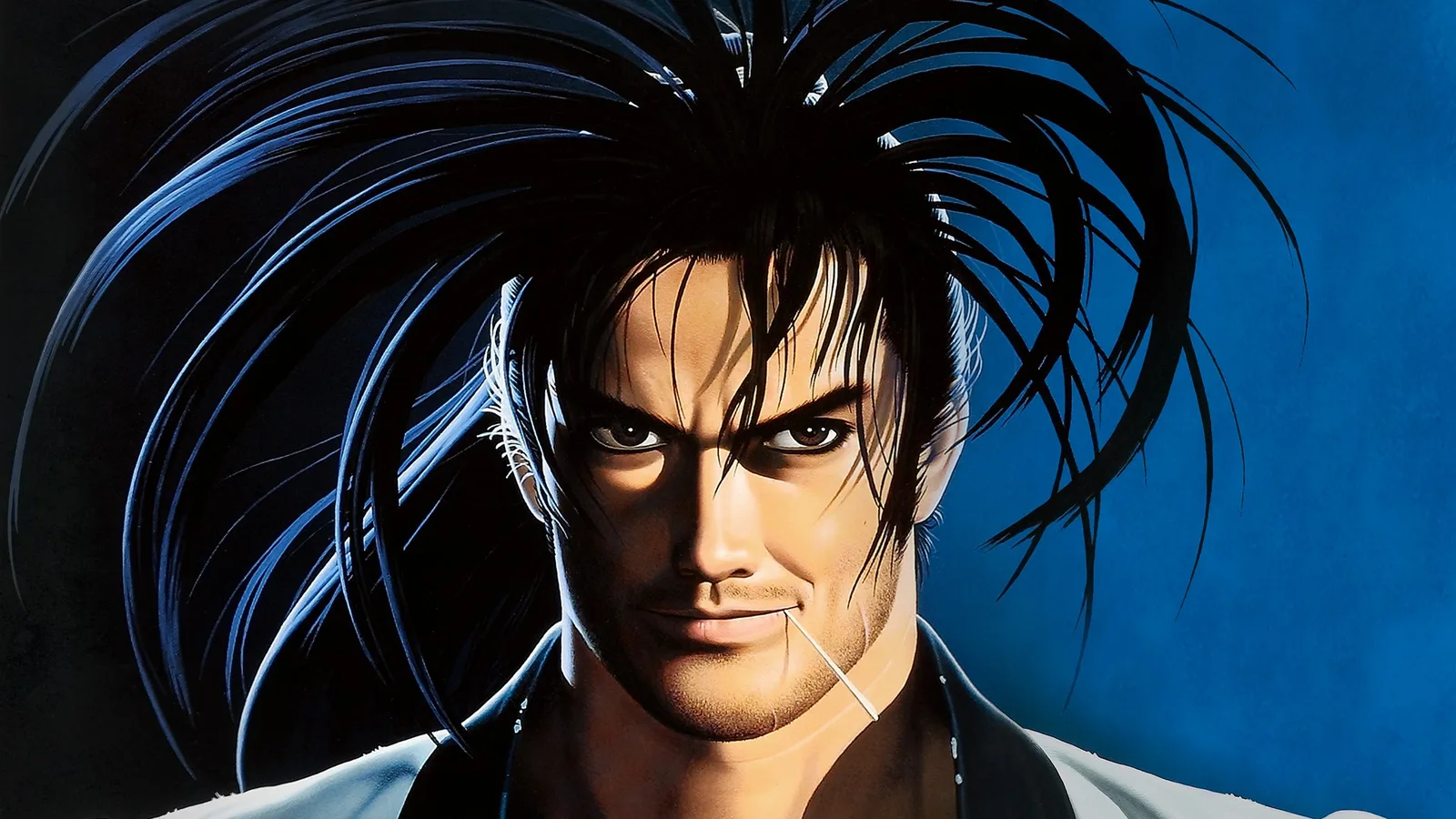
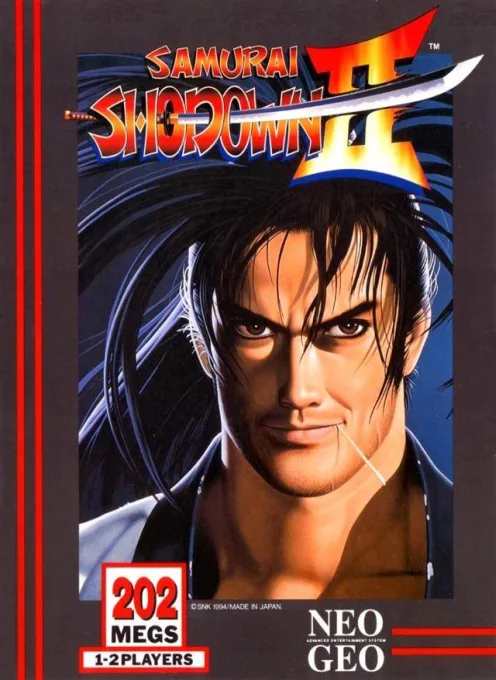
The redesigned sequel to Samurai Shodown, with the parry, the POW gauge and new warriors. Many consider it one of the best fighting games of all time.
 Get the game
Samurai Shodown II
- Developer
- SNK
- Publisher
- SNK
- Release
- 1994
- System
- Neo Geo
- Players
- 1-2
- Genre
- Fighting game
The story of the game
The why and the how
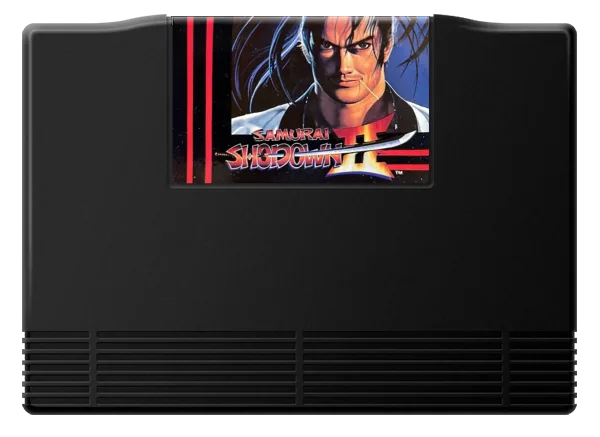
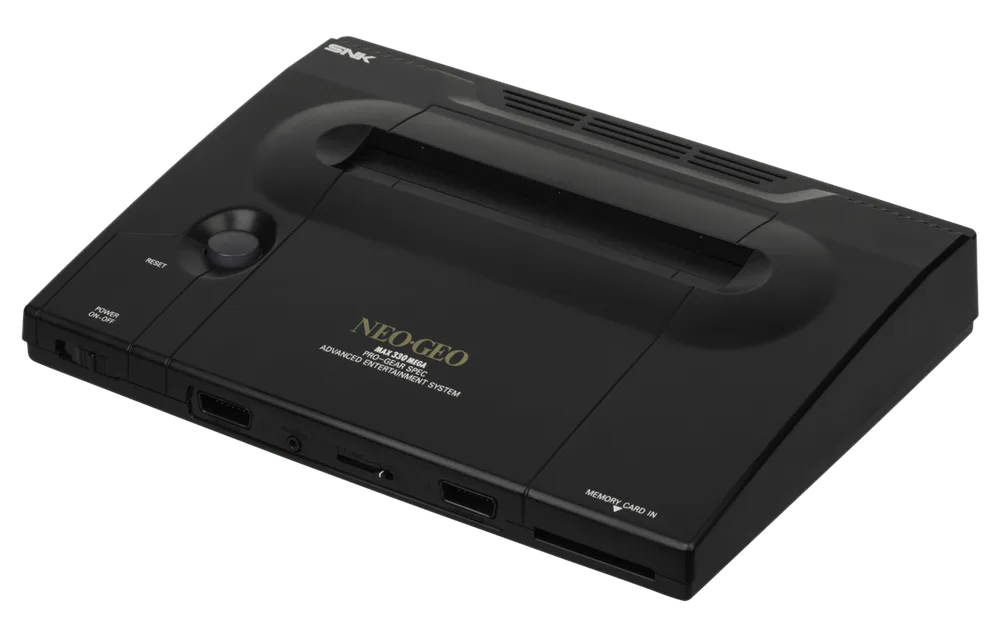
Samurai Shodown II came out on 28 October 1994 in arcades, then on 2 December on Neo Geo AES. SNK developed and published it. It follows the enthusiastic reception of the first installment: the publisher rebuilt the sequel from scratch, keeping almost all the characters and adding several. The game was well received and is considered one of the best fighting games of all time.
How it was made
Eikichi Kawasaki produces the game, Yasushi Adachi, under the name K. Y. Hayate, designs it, and Yasumasa Yamada and Yasuo Yamate compose the music. The controls are more responsive, the POW gauge serves as a super-move gauge for moves that break the opponent's weapon, and the game hides numerous Easter eggs, appearances by other SNK characters and a hidden boss who sometimes challenges players.
What makes it unique
A year after Amakusa's defeat, a vengeful spirit named Mizuki Rashojin, possessing a priestess, wants to spread chaos in the name of the dark god Ambrosia. The game expands the movement options: forward and backward rolls, ducking dodges, small hops. It also introduces the offensive parry, triggered at the last moment to deflect a blow and leave the opponent open. Six new warriors join the cast, including Genjuro Kibagami, Haohmaru's great rival. This game's parry was later taken up by Namco's Weaponlord, then popularized by Capcom's Street Fighter III. Samurai Shodown II was ported to Windows, Neo Geo CD and PlayStation. For many players, it is the peak of the series and a good entry point into sword fighting.
Good to know
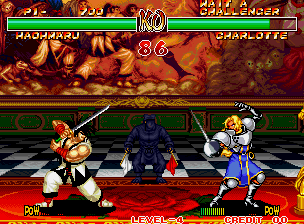
The POW gauge becomes a gauge for special super moves here. These attacks deal heavy damage and break the opponent's weapon, forcing them to fight bare-handed for a short moment before receiving a replacement weapon. A bare-handed strike also lets you grab the opponent's sword. The controls are more responsive and the game has more moves, with many secrets. Deciding when to fill the POW gauge and when to spend it remains the central management of a fight.
Text written from published sources (Wikipedia, Wikidata, specialist press).
The hardware
Texts and media: ScreenScraper.fr. Trademarks and visuals belong to their owners.