

Sonic Labyrinth
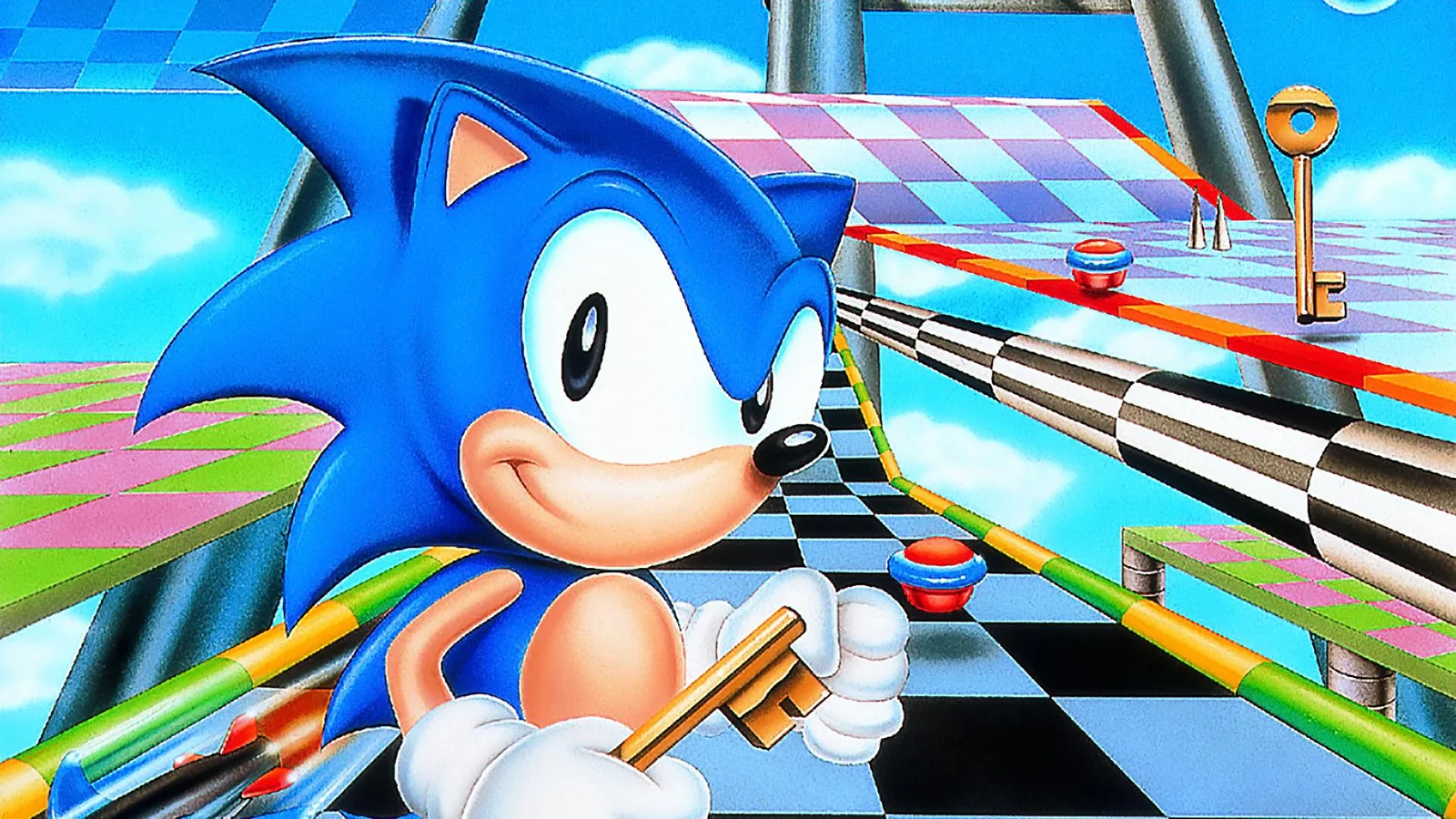
A Sonic deprived of his speed: Robotnik has put shoes on him that slow him down in isometric-perspective mazes.
 Get the game
Sonic Labyrinth
- Developer
- Minato Giken
- Publisher
- Sega
- Release
- 1995
- System
- Game Gear
- Players
- 1
- Genre
- Action and puzzle
The story of the game
The why and the how
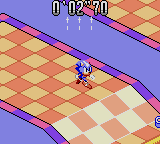
Sonic Labyrinth is a 1995 action and puzzle game developed by Minato Giken and published by Sega on Game Gear. Sonic explores maze levels seen in isometric perspective. Dr. Robotnik has taken away his speed, and Sonic walks unusually slowly, but can still do a spin dash. It came out in Europe on November 3, 1995, in Japan on November 17, and in North America the same month. As for tricks, a code at the Title screen opens world selection: Up twice, Right three times, Down six times, Left nine times. At zone 2-3, you just need to find the cannon and hold Right, 1 and 2 to reach the bonus level door.
What makes it unique
Sonic Labyrinth blends action, puzzle and pinball elements, in isometric perspective. Dr. Robotnik has trapped Sonic in shoes that deprive him of his speed: he therefore moves slowly, but can curl into a ball and charge. This spin dash charges up to gain speed and damage. In each level, you must find three keys, sometimes hidden inside enemies, and bring them to the exit. The game has four zones of three levels. After each set of three, a ring-collecting bonus round comes before a boss fight. To take off the shoes, Sonic must gather the Chaos Emeralds.
Good to know
Rings are the game's currency. The bonus round that follows each set of three levels consists of collecting them, and gathering 100 gives an extra life. The spin dash lets you deal with enemies, some of which hide a key, and the game also offers a time attack mode. Time becomes the measure there, which gives a simple ground for comparing players on the same levels.
Its influence
On release, critical reception was mixed: the game brought something unique, but its controls and repetitiveness held it back. With hindsight it is judged more harshly, among the weakest Sonic games. It has nevertheless been re-released several times, notably in Sonic Adventure DX: Director's Cut in 2003 and Sonic Mega Collection Plus in 2004.
Text written from published sources (Wikipedia, Wikidata, specialist press).
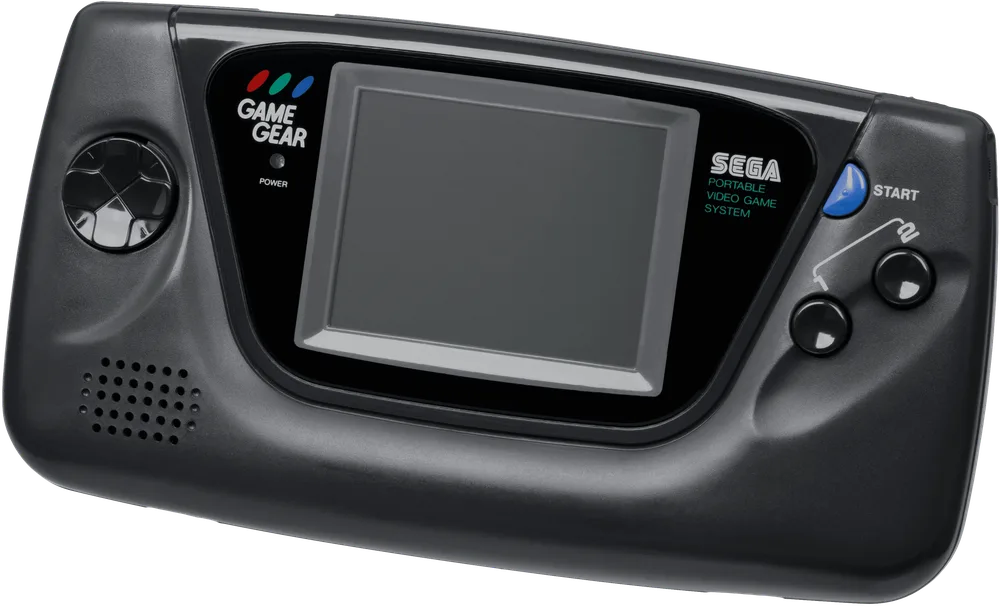
The hardware
Texts and media: ScreenScraper.fr. Trademarks and visuals belong to their owners.