
Sonic The Hedgehog 2
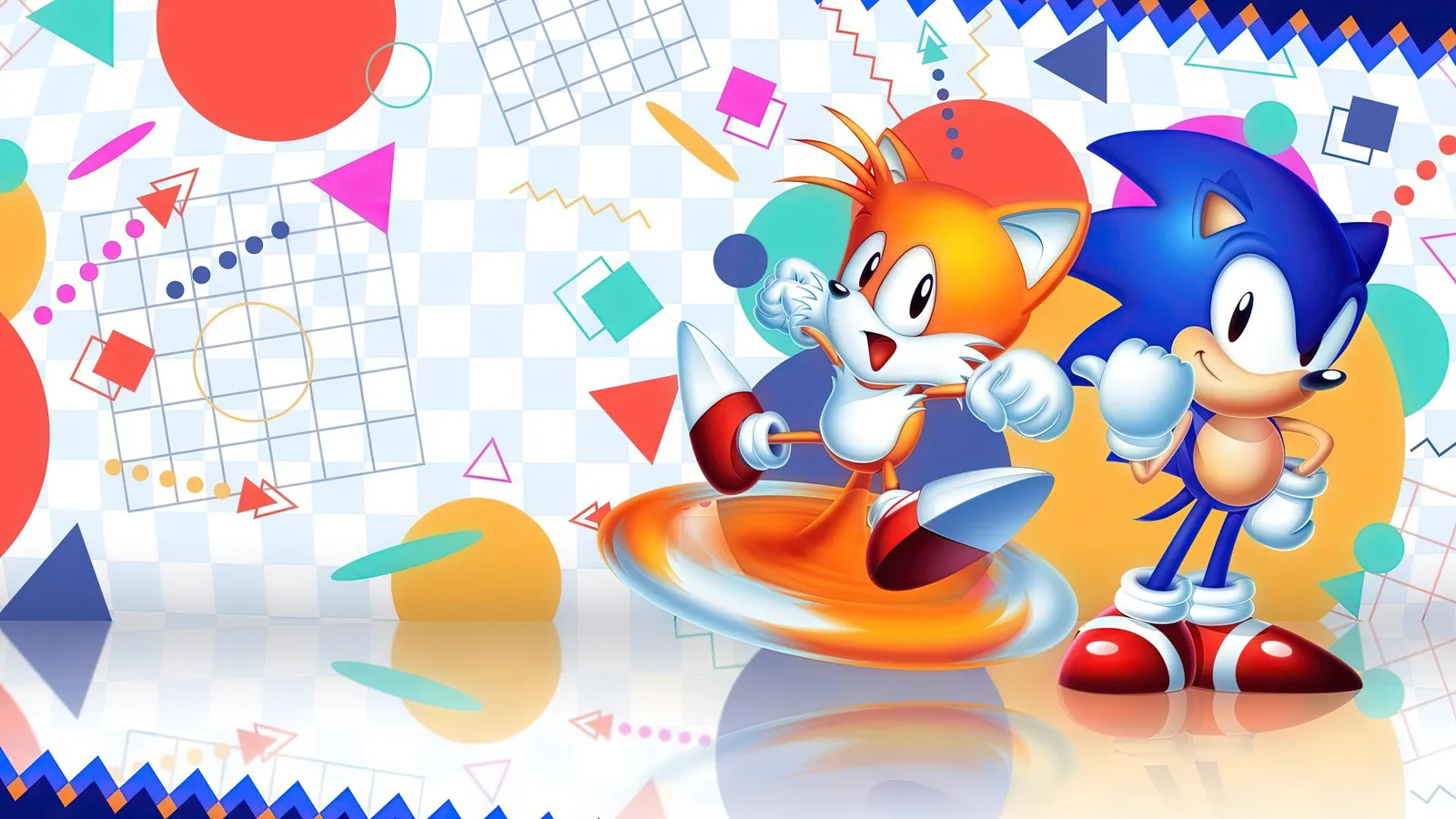
Sonic runs with Tails, revs up the Spin Dash and turns into Super Sonic with the seven Chaos Emeralds. The sequel that made Sonic a major series, released on the same day around the world.
 Get the game

Sonic The Hedgehog 2
- Developer
- Sega Technical Institute
- Publisher
- Sega
- Release
- 1992
- System
- Mega Drive
- Players
- 1-2
- Genre
- Platform
The story of the game
The why and the how
After the success of the first Sonic, Mark Cerny, founder of the Sega Technical Institute (STI) in California, pitched a sequel for the 1992 holiday season. Sega of America first felt it was too soon, then started the project in November 1991. Yuji Naka and Hirokazu Yasuhara moved from Japan to join the team. Sonic The Hedgehog 2 was released on November 21, 1992 in Japan and on November 24 in the rest of the world.
How it was made
Full-scale development began in early 1992, with nine months ahead of the team. Japanese and American staff worked together despite the language barrier and different working cultures. Mark Cerny left STI during development; Masaharu Yoshii took over the project and is credited as director. Hirokazu Yasuhara and Yutaka Sugano designed the levels, Yuji Naka programmed, Yasushi Yamaguchi handled the art (he created Tails) and Masato Nakamura of Dreams Come True composed the music.
What makes it unique
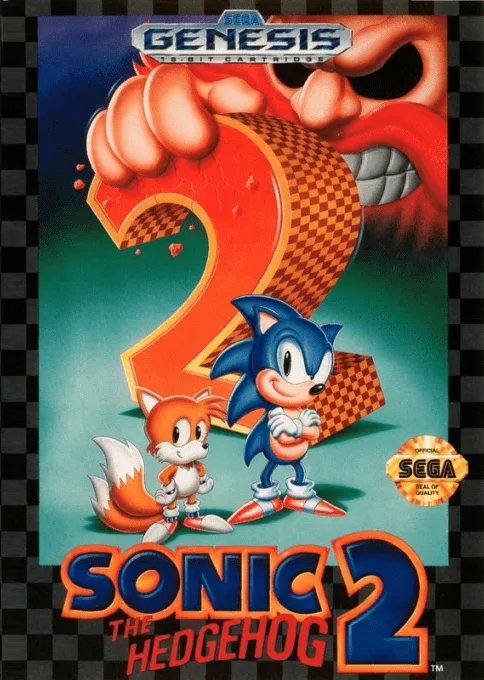
Sonic now has a sidekick, Miles "Tails" Prower, a two-tailed fox that a second player can control. The Spin Dash lets him launch from a standstill, curled into a ball. The special stages switch to pre-rendered 3D: collect rings in a half-pipe to win one of the seven Chaos Emeralds, and all seven, with 50 rings, turn Sonic into Super Sonic. The game has 11 zones and 20 acts, twice as many level themes as the first, and a two-player split-screen mode.
Good to know
On Nelfe Play, Sonic The Hedgehog 2 is open to speedruns: 18 level trials, each timed from the start of the level to its finish, and an Any%, the whole game, played with Sonic alone (the "Sonic Alone" setting in the options menu).
Its influence
Sega spent about 10 million dollars promoting it and released it on the same day in every store in North America and Europe, "Sonic 2sday". It sold 400,000 copies in one week in the United States and 750,000 in the United Kingdom, and six million worldwide by 2006: the second best-selling Genesis game, behind the first Sonic. It established Sonic as a major series and kept Sega in the race of the 16-bit era; Sonic 3 and Sonic & Knuckles followed in 1994. It returned in Sonic Jam, Sonic Mega Collection, a 2013 mobile version and Sonic Origins.
Text written from published sources (Wikipedia, Wikidata, specialist press).
The hardware
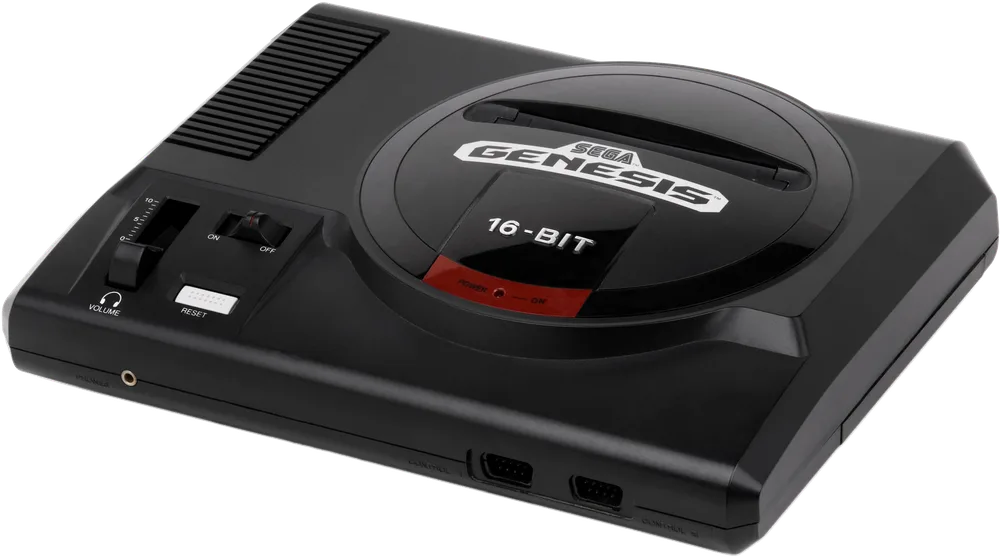
Texts and media: ScreenScraper.fr. Trademarks and visuals belong to their owners.